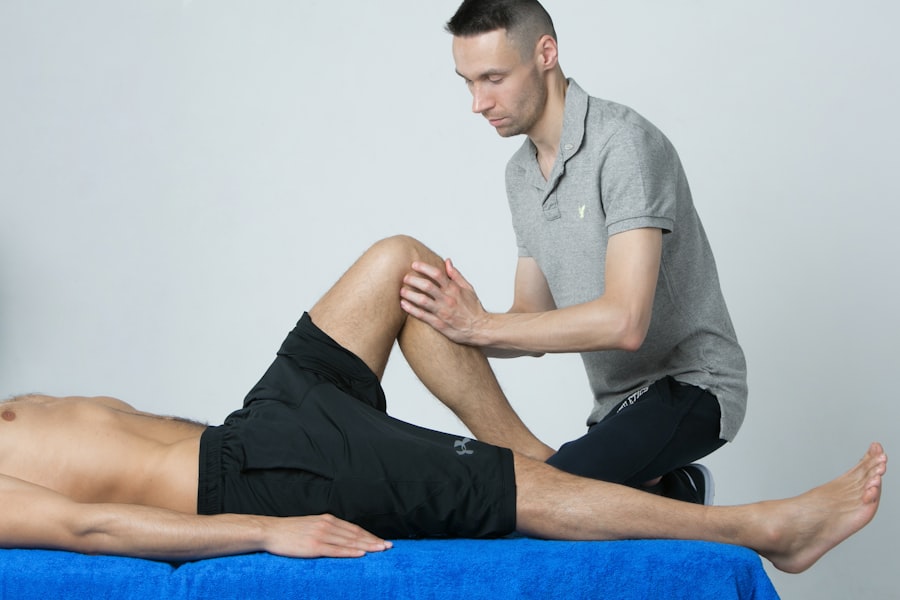
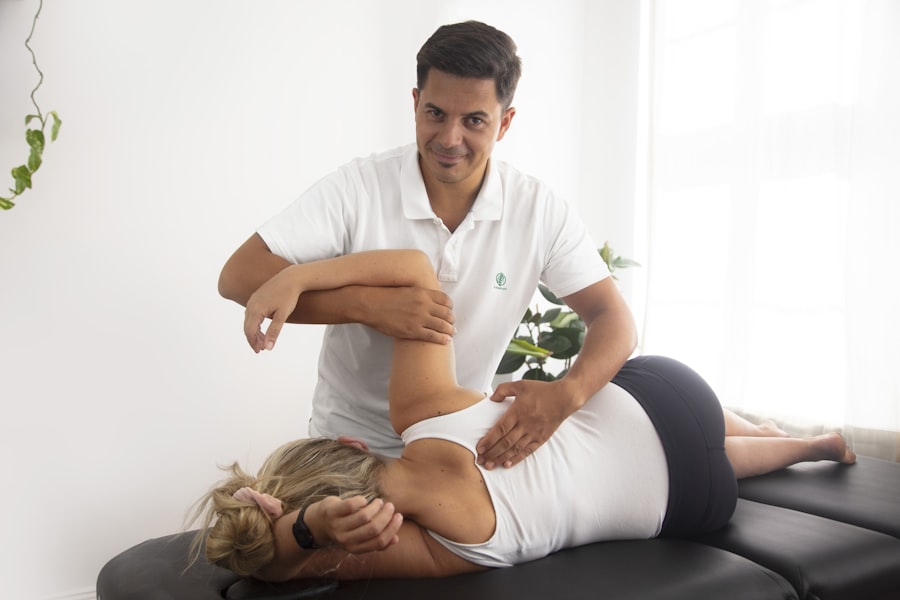
Chiropractor, physio or osteopath — which one do you need?

Back or neck playing up, and every friend recommends a different kind of practitioner? Chiropractors, physiotherapists and osteopaths overlap a lot — all three are registered health professions in New Zealand, all three treat musculoskeletal pain, and all three can lodge ACC claims for injuries. The differences are mostly in emphasis and method.
Chiropractors
Chiropractic care centres on the spine and nervous system. The signature tool is the adjustment — a quick, specific movement applied to a joint to restore its motion. Treatment plans often involve a series of shorter visits, and many clinics focus on particular groups: families and children, pregnancy, sports, or posture-related problems. If your issue feels joint-related — a stiff neck, a locked-up lower back, recurring headaches traced to the neck — chiropractic is a natural starting point.
Physiotherapists
Physios lean on exercise-based rehabilitation: hands-on work plus a structured programme of stretches and strengthening you do between visits. They're the default referral after surgery or serious injury, and a good fit when the goal is rebuilding strength and range of motion over weeks or months.
Osteopaths
Osteopathy sits somewhere between the two — broad hands-on work across joints, muscles and soft tissue, often with longer appointments and a whole-body approach rather than a single problem area.
How to actually choose
In practice, outcomes depend more on the individual practitioner than the profession on the door. Choose someone experienced with your specific problem, who explains what they're doing and why, and who sets a clear plan with an end point. If something feels serious — numbness, weakness, unexplained weight loss alongside pain — see your GP first. Otherwise, browse the local clinic directory, call the nearest one and describe your problem; a reputable clinic will tell you honestly whether they're the right fit.